

Climate Justice | July 10, 2026
When Electricity Is a Choice, Not a Switch: REVIVE, Transforming Rural Energy
Siska Noya
At night, many households in rural Sumba are forced to choose between the convenience of an electric rice cooker and having a small illuminating light for the night. This dilemma is almost unimaginable for people residing on Java Island, where electricity is a given, effortless, and reliable. In rural Sumba, the reality is not as easy.
But inaccessible electricity is not the only problem the villages face. Poverty rates remain stubbornly high, hovering between 18 and 25 percent. Many villages have fewer than three formally registered micro and small enterprises. Median household spending sits at around Rp459,000 per month, leaving little room for productive investment.
To support their households’ livelihoods, women in Sumba began working as weavers, using knowledge passed down through generations. Not long after, they played a central role in sustaining household livelihoods.
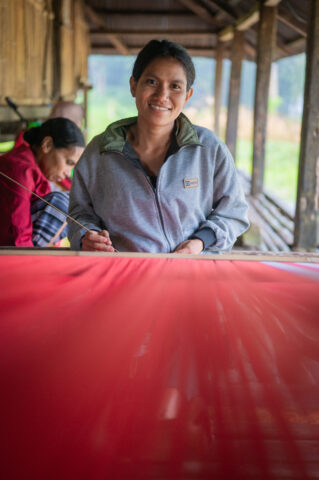
But the working conditions are less than ideal. While they bear the domestic chores due to a longstanding patriarchal system, the only time they can weave is at night, without any source of light to help them.
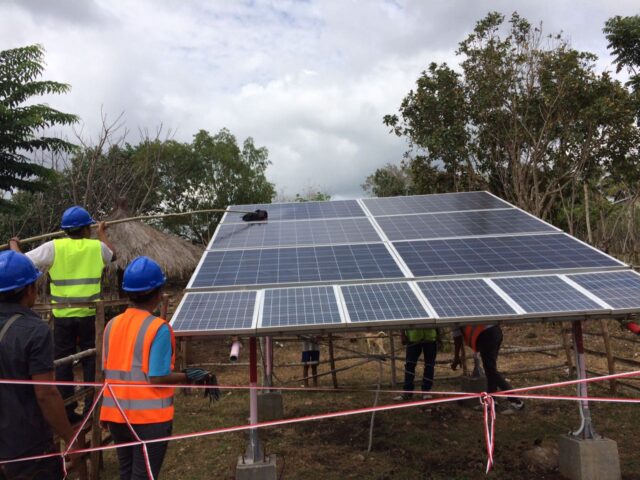
For many, one solution to the problem is to implement electrification projects, assuming they will also open economic opportunities for the people. Between 2023 and 2024, the island received unprecedented support for renewable energy development. More than 40 off-grid solar power systems were installed across four districts through national programs. In just over a decade, electrification rates in target sub-districts rose from below 30 percent to more than 65 percent.
And yet, the expected economic transformation did not follow. The mismatch is clear: energy infrastructure has arrived, but economic activation has not.
Our Renewable Village-based Ventures for Economic Empowerment (REVIVE) team traveled to Kalembu Kaha Village in Southwest Sumba and Lairuru Village in East Sumba. We understand that electricity alone does not reduce poverty. Without support to turn energy into economic opportunity, power stops at illumination.
Energy Opens Doors, But Who Holds the Keys?
In Kalembu Kaha and Lairuru village, two of our implementing villages, women are at the core of sustaining household livelihoods. Yet cultural and structural barriers often shut them out of decision-making. The double burden of domestic responsibilities and limited bargaining power within the household restricts their ability to invest in productive activities. In Lairuru Village, for example, women generate income through textile weaving. Electricity has been transformative, allowing them to work at night and improving productivity after sunset.
A simple yet telling example: the need for an electric iron to finish woven fabrics. This small but critical tool often requires negotiation with a partner who controls household savings. When agricultural inputs are prioritized instead, investment in weaving stalls. The electricity is there, the skills are there but the pathway to economic growth remains blocked, control over major financial decisions still rests elsewhere.. The message from women in these villages was clear: life is better with electricity, but survival is not the same as progress.
Turning Power Into Possibility
This is where REVIVE comes in.
Working alongside four local partners: Yayasan BITARA, Yayasan Bahtera, Yayasan Koppesda, and Perkumpulan Humba Hammu, REVIVE is supporting 12 villages with DAK-funded solar microgrids. But the focus goes beyond technology. Together, we are strengthening local institutions, building technical capacity, nurturing village-owned enterprises (BUMDesa), and ensuring that economic growth is inclusive and community-driven. REVIVE positions electricity not just as a basic service, but as a catalyst, one that can unlock enterprise, increase household income, and give women and youth greater control over their futures.
Lighting the Way Forward
The dream for Sumba is bold: full energy independence, 100 percent renewable power, and universal access by 2025. But the deeper ambition goes further than electrification ratios or installed capacity. True success will be measured by livelihoods improved, by young people choosing to stay, by women able to invest without asking permission, and by villages that no longer have to choose between light and opportunity. Electricity can light a room. But only when paired with empowerment can it truly light a future.