
Civic Rights in A Digital Age (CRIDA) | January 6, 2026
Regional Solidarity is Inevitable, Why?
Author: Alfa Gumilang. Editor: Bolby Nasution.
Civil society groups in Southeast Asia tend to face many of the same problems. Freedom of expression is suppressed, democracy is weakening, governments resist criticism, corruption remains widespread, the economy is becoming more capitalistic, and the climate crisis continues to get worse.
The similarities observed are, unfortunately, not anything new; during the colonial era in Southeast Asia, similar social conditions also existed. Likewise, during the economic crisis of the 1990s, it was the people who really felt the impact again.
Throughout the various phases of history, we are reminded of the deep and essential role that solidarity plays among communities. Not only does it act as a lifeline for survival, but it also sparks transformative change.
Solidarity is a powerful force that must be expanded to strengthen civil society groups. It transcends national and generational boundaries, engaging diverse participants beyond just activists. This united effort embodies the true power to defend and enhance democracy.
In recent years, solidarity across these barriers has grown stronger. When a nation faces unrest, solidarity posters and murals spring up and spread across social media. A great example of this is the hashtag #SEAblings, which arose as a beacon of support from Southeast Asians for online drivers in Indonesia during the unrest at the end of last August.
Though it may seem small, this represents a significant source of moral support, fostering a shared sense of destiny that can become a vital seed for greater solidarity in the future. This seed must be nurtured so it can evolve into a more strategic framework and create imaginative spaces for developing new forms of solidarity.
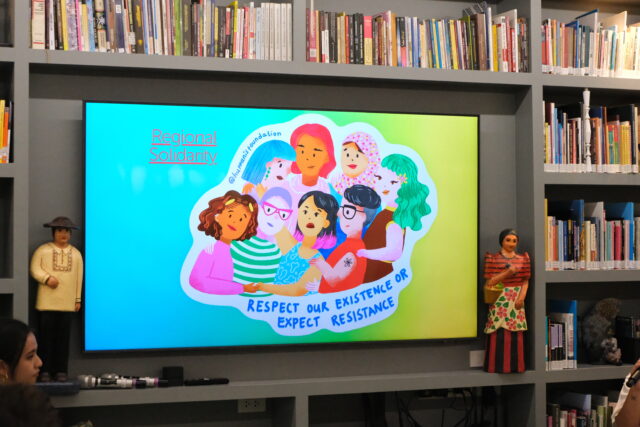
Image 1. An illustration of regional solidarity in Bangkok Week.
The Bangkok Week event, organized by Humanis from late October to early November 2025, marked our initial effort in envisioning the kind of regional solidarity that civil society in Southeast Asia needs to develop.
In collaboration with SEA Junction at their office, we explored common ground, identified shared themes, and created a platform aimed at promoting long-term, progressive, and, importantly, sustainable solidarity.
Quoting Bivitri Susanti, a panelist at Bangkok Week, she emphasized that solidarity can serve as a shared space for learning.
“Solidarity should be a platform for mutual learning, not a structured organization that limits the creativity of the movement,” she stated.
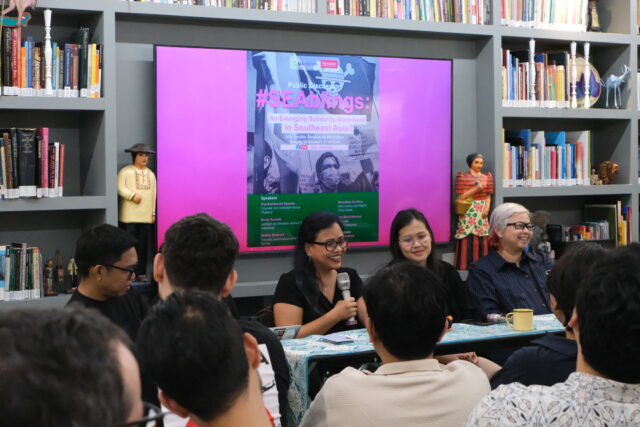
Image 2. Bivitri Susanti as one of the panelists in Bangkok Week.
Hopefully, this platform will facilitate the sharing of stories, experiences, and knowledge while also expanding networks. Ultimately, these insights will provide essential data for developing a strategic roadmap for solidarity within civil society.
So, where is this solidarity movement headed? It is designed to tackle the various issues and challenges outlined at the beginning of this article. We are committed to protecting freedom of expression, advancing democracy, ensuring that the government listens to its citizens, eradicating corruption, creating a just economy, and improving the climate.
Nevertheless, when stakeholders unite, people can align their movements around common concerns and aspirations, fostering a sense of care for one another that goes beyond national borders. History has shown that during times when the government may be ineffective or repressive, it is the people who step up to support and protect one another.