Gender Equality Diversity and Inclusion (GEDI) | April 13, 2026
A Space for A Name
Bolby Nasution.
I was never one to think I would find joy in navigating the troublesome airport immigration process. But a story from Rebecca Nyuei, a trans woman colleague of mine, made me wish I were there to witness her walking through the airport’s immigration gate. Because for the first time in her life, Rebecca walked through with her new legal documents, one that respects her preferred, true name.
“My steps were light, the joy I felt made the (immigration) process easier,” Rebecca recounted to me.
For transwomen and transmen, a name can be a lot of things. Depending on how someone refers to them, a name can be a simple greeting, a recognition, or an affirmation. Unfortunately, it can also be a means of violence, a slur, and even a barrier. For trans and queer people, a name carries more weight than a cis person can imagine.
On a structural level, a name can deny many trans women’s access to social security, national insurance, or other benefits. Many trans women do not possess a national identity card, but when they do have the formal card, their written deadname, often appearing masculine, complicates the administration process in accessing their rights.
In 2021, the government of Indonesia decided to improve access to an identity card for trans women. While the process is far from perfect and the change in the gender section is still complex, this progress still allows trans women to have an identity card that honors their preferred name. Including for Rebecca.
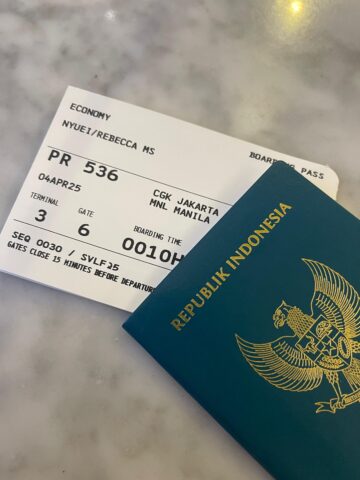
With the legal assistance of a friend, Rebecca successfully changed her name section in her identity card. This change allows her to update other legal documents, such as her bank account, health insurance, social security card, and passport.
Image 1. Rebecca’s Indonesian passport and airplane ticket with her name.
In October 2025, Rebecca embarked on an overseas working trip to the Philippines using her freshly revised identity card.
Usually, the immigration process can be daunting and tiresome. But, for Rebecca that day, it became a surprising source of joy. Rather than using the relatively faster automatic gate lane, she approached the immigration officer to get her stamp. She submitted the documents with her name correctly written on both her passport and ticket. That day, the immigration queue was long, but her excitement was longer.
Previously, Rebecca had difficulties with the immigration process. Her feminine appearance was a huge contrast with her masculine dead name written in her legal document. Because of this, the officer would refer to her with masculine honorifics. For Rebecca, the previous immigration process was more than exhausting, it was an uncomfortable and invalidating experience.
However, with her new identity card, Rebecca walked with joy and confidence despite having gone through the process by herself. As she advanced beyond the gate, she already had a plan to brag about it with her colleague who had arrived first in the Philippines.
The joy does not last there. She encountered a similar process at the hotel check-in process. Handing her passport over, she was addressed with her proper honorifics. She did not meet any questioning gaze due to her name.
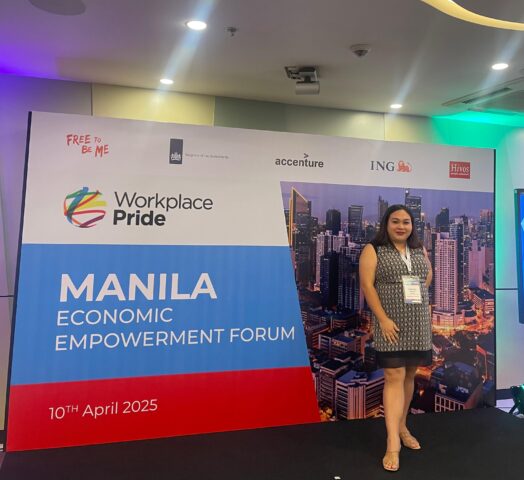
Image 2. Rebecca attending a regional forum in the Philippines.
For Rebecca, the change in her legal documents shows hope.
She stated, “This is a comforting reminder that change is still possible in Indonesia.”
Gender and sexually diverse individuals in Indonesia still face multiple political and economic barriers and structural challenges. Discrimination is rampant, and the threats are imminent. However, at times like this, small joys from being called with a proper name, of being referred to with preferred honorifics, of the possibility to change one’s name on the national identity card, grow hopes that a better future exists for queer community.
This is a reminder to us that a tiny space for a legal name on our identity cards can be a big step toward change.