
Civic Rights in A Digital Age (CRIDA) | December 5, 2025
When Care Becomes Strategy: Reimagining Solidarity Across Regions
Author: Nisrina Nadhifah Rahman. Editor: Bolby Nasution
From a committed notetaker during movement’s consolidation, to a journalist with integrity covering protests and demonstrations, to a person who works under public officials, arranging their schedules and logistics to match public hearings with civil society. These works, often seen as menial, administrative, and more often than not, even overlooked, are the backbone of a smoothly coordinated movement and advocacy efforts. These are examples of care in the movement.
If you have ever imagined achieving justice and change without the people who provide these works, then maybe you are imagining the end of the world. Our Bangkok Week journey, spanning 9 days, was packed with events, meeting schedules, and the like. But it was also our chance to meet new friends across Southeast Asia. Bringing together activists, youth leaders, and civil society actors. But our message to weave all of that together is simple: to sustain solidarity is to care.
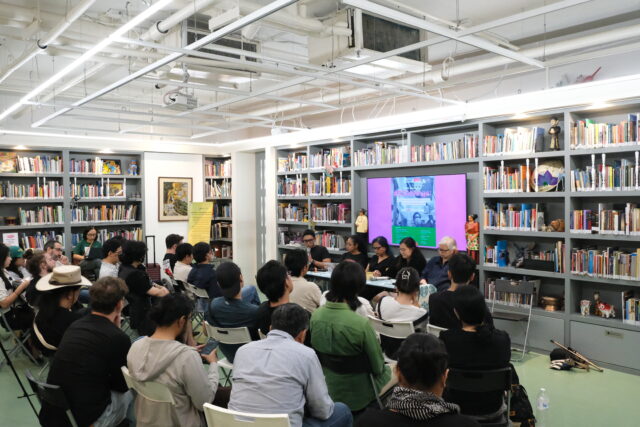
Image 1. “#SEABlings: An Emerging Solidarity Movement in Southeast Asia?” discussion held by Humanis and SEA Junction, 28 October 2025.
Care Starts Within, Grows Between
In the quiet corner of the Bangkok Art and Culture Center (BACC), stood the office of SEA Junction, our beloved partner and co-organizer for two events in Bangkok. Surrounded by books and various exhibition catalogues on human rights and civil disobedience, we held a “Caring for Dissent” workshop.
Memee from Milk Tea Alliance Thailand, one of the workshop discussants, began her session by stating, “Even organizing a protest is a form of political expression of care for one another.”, brilliantly putting ‘care’ within our continuous struggle for justice into perspective.
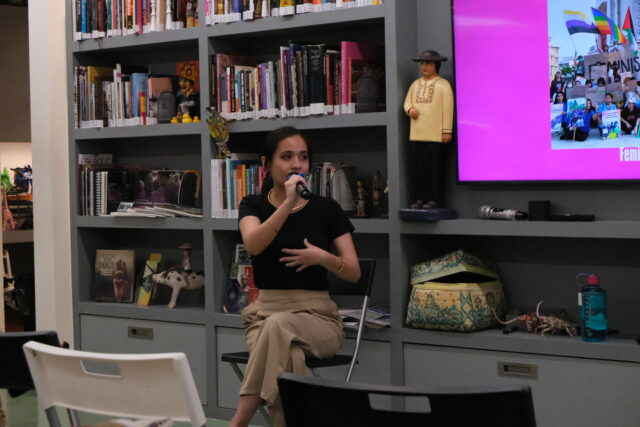
Image 2. Memee from the Milk Tea Alliance Thailand.
The meaning of care is as simple as it sounds, but also as impactful as you can imagine. It is both a daily practice and a political strategy. It is both an individual’s decision to act for their friends or a larger infrastructure– visible and invisible–that keeps a movement alive. It is a message of ‘are you safe’ from a friend to a ‘how can we contribute to the movement?’ from a donor organization. It can be personal or institutional.
The act of care includes redistributing power, resources, and visibility; supporting collective learning and collective healing; and linking social, environmental, and emotional sustainability. When asked how care can be incorporated as a system, Tazia Darryanto, Humanis’ Project Development Manager, highlighted the crucial role of intermediaries, like Humanis, in centering care by reforming the ecosystem of civil society and movements, with particular focus on local mental health, safety, security, and capacity support.
Reimagining Healthy Civic Spacetime with Care
In International Civil Society Week 2025 (ICSW), we held an official session called “We Don’t Live in Different Planets: The Interconnectivity between Civic Spacetime and Climate Justice.”
Nisrina or Ninies from Humanis began the session by inviting the participants to reflect on civic spacetime and collective care, providing various statements drawn from Humanis’ earlier study that they can agree–or disagree–on
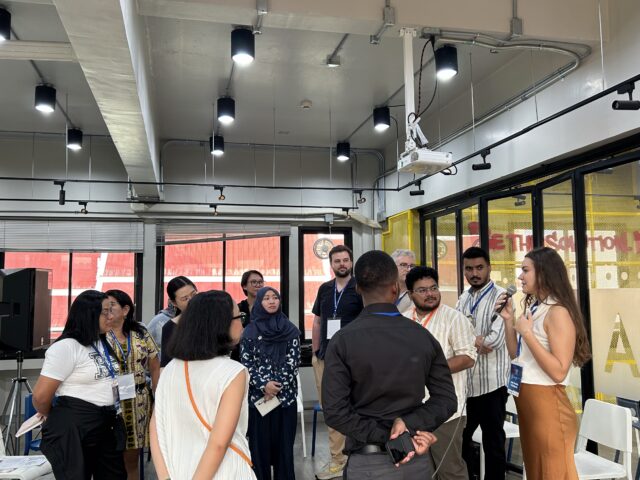
Image 3. “We Don’t Live in Different Planets: The Interconnectivity Between Civic Spacetime and Climate Justice”. International Civil Society Week, 1 November 2025
The session also centralized three intertwined pillars of Connect, Defend, Act—a concept to understand how movement can broker their networks, protect their members, and sustain themselves.
When divided into three groups according to the three principles of Connect, Defend, and Act, the participants in our session conveyed how they understand ‘care’ within the frameworks. Simply put, each group agreed as follows:
- To Connect: the creation of meaningful convening spaces, online and offline, where people can meet through shared pain, grievances, healing, and the simple act of being in community.
- To Defend: calling for collective and mutual aid or protection in the community. Emphasizing the critical role of information (journalism!) on aid, preserving local traditions, and embedding art for a more accessible information-sharing method, such as through artivism.
- To Act: establishing physical spaces that anchor movements in everyday community life, building a supportive ecosystem of technical and financial resources, stimulating interconnectivity among civil society actors, and developing shared collective agendas rooted in decolonial and participatory principles.
Everyday Acts of Care
From Bangkok Week, we learned that solidarity does not endure on inspiration alone. It endures because people choose to care for movements, for communities, and for one another. As we carry these lessons home, we are reminded that care is not an additionality to activism but the very infrastructure that makes our action alive.
The work ahead will demand courage, imagination, and persistence. But it will also require everyday acts of care that keep movements human and climate-centered as well as grounded and connected. If we are to reimagine solidarity across regions, then let us begin by choosing to care not only in moments of crisis, but as a continuous, deliberate practice that sustains us and shapes the world we share.